How Storytelling Enhances Language Development in Preschoolers
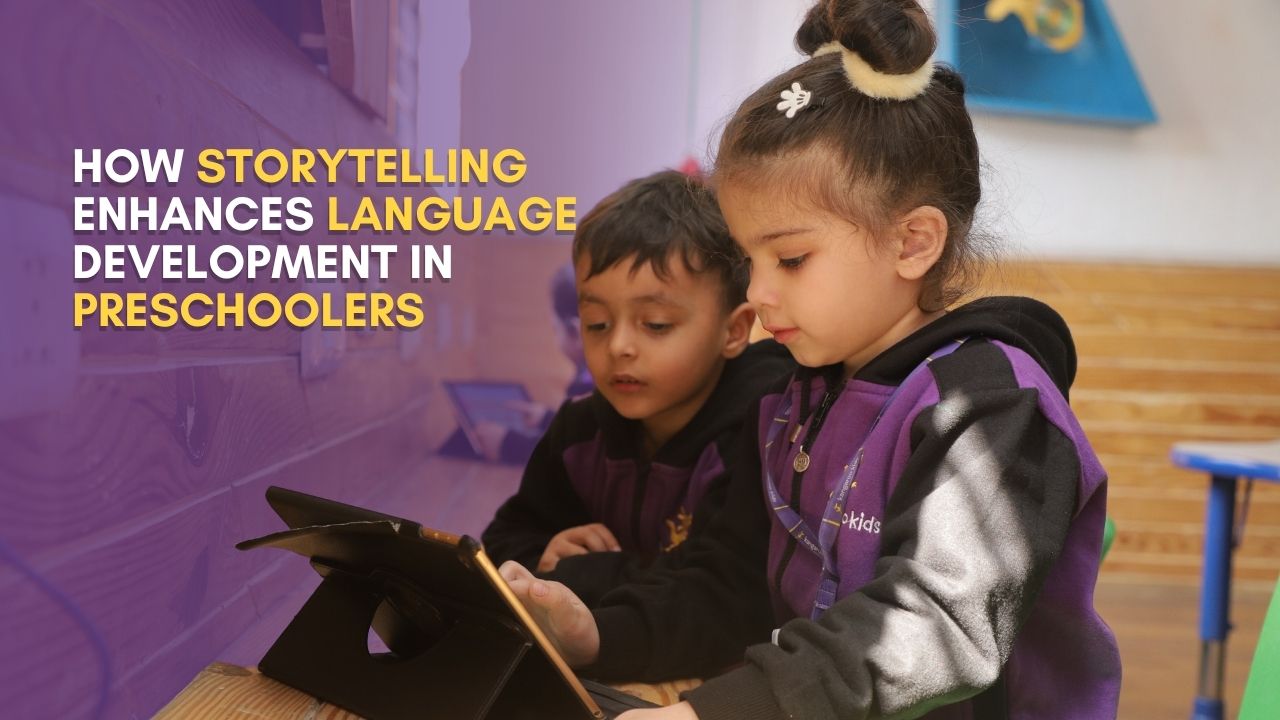
Storytelling is one of the oldest and most powerful ways to teach and connect. For preschoolers, stories are more than just entertainment; they are a gateway to language, imagination, and communication skills. In the early years, when a child’s brain is rapidly developing, storytelling plays a crucial role in strengthening vocabulary, comprehension, and expressive abilities. At Kangaroo Kids Playschool, storytelling is an essential part of the learning experience, designed to nurture confident communicators from a young age.
Expands Vocabulary Naturally
When children listen to stories, they are introduced to new words in meaningful contexts. Unlike rote memorization, storytelling helps children understand how words are used in sentences, conversations, and different situations. Through repeated exposure to new vocabulary in stories, children:
- Learn pronunciation
- Understand word meanings
- Recognize sentence patterns
- Improve language fluency
Improves Listening and Comprehension Skills
Storytelling requires active listening. Children focus on characters, settings, and events, which strengthens their ability to concentrate and process information. As they follow the storyline, they learn to:
- Identify sequences (beginning, middle, end)
- Understand cause and effect
- Predict outcomes
- Answer questions about the story
Encourages Verbal Expression
After listening to stories, children often retell them in their own words. This practice improves sentence formation and boosts confidence in speaking. Activities like:
- Role-play
- Puppet shows
- Group storytelling
- Show-and-tell sessions
Strengthens Imagination and Creativity
Stories transport children into new worlds. Whether it’s animals talking, magical forests, or everyday family situations, storytelling stimulates imagination. When children imagine scenarios, they learn to describe what they see in their minds. This strengthens descriptive language skills and enhances creative thinking.
Builds Emotional Understanding Through Language
Stories often revolve around feelings of happiness, sadness, bravery, fear, kindness. By hearing characters express emotions, children learn words to describe their own feelings. This emotional vocabulary improves communication and helps children express themselves more effectively instead of reacting through frustration or silence.
Enhances Pronunciation and Speech Clarity
Listening to teachers narrate stories with proper tone, rhythm, and expression improves children’s speech patterns. They begin to imitate correct pronunciation, voice modulation, and sentence flow. Interactive storytelling, where children repeat phrases or dialogues, further strengthens clarity and confidence.
Encourages Curiosity and Questions
Story sessions naturally spark curiosity. Children ask questions like “Why did the character do that?” or “What happens next?” These conversations expand their thinking and communication skills. By encouraging questions, educators help children form structured sentences and develop critical thinking abilities.
Develops Early Reading Readiness
Storytelling builds familiarity with books, pictures, and printed words. Children learn how books work, turning pages, reading left to right, recognizing letters and sounds. This early exposure creates a smooth transition into independent reading in later years.
A Language-Rich Environment for Lifelong Skills
Storytelling is not just about reading aloud it’s about interaction, imagination, and expression. At Kangaroo Kids Playschool, storytelling sessions are designed to create a language-rich environment where children feel excited to listen, speak, and explore words. When children develop strong language skills early, they gain confidence in communication, build stronger relationships, and perform better academically in the future.


Kangaroo Kids International Preschool Noida is shaping learners with 21st Century Skills, fostering confidence, creativity, and a lifelong eagerness to learn. Our pioneering program redefines early education, integrating breakthrough brain research to nurture young minds for a dynamic world. Experience an innovative approach that empowers children to thrive!
Location
Gate No 1, A-73, Block A Sector-34, Noida-201301 (UP)
Contact Us
0120-4233128 / 129, 9990906386
admission@kangarookidsnoida.com
Quick Link
Cities with our Presence

Follow Us


